When it comes to caring for someone with memory loss, you must take it one day at a time. It’s hard to know what tomorrow holds and yet memories of the past are slipping away too. It can feel overwhelming, exhausting, and emotional. That’s why we are here to help. Please know, it’s okay for you to seek help. This type of care can simply be too much on one person. That’s why we have an entire team of highly trained professionals to care for your loved one’s daily needs. We will stand in the gap so that you can return to the role of daughter, son, wife, husband, sister, brother, or friend instead of caregiver. We can manage the bathing, dressing, grooming, meals, and medication management. But we won’t stop there, our team is committed to understanding the illness while also understanding who your loved one is as a person.
At The Crossings it isn’t enough to understand memory-related illnesses, sure that’s important but we believe that you have to know them. Truly know them. We give special attention to the Eden Alternative Domains of well-being: identity, growth, autonomy, security, connectedness, meaning, and joy. You’ll notice that none of these domains are focused on treating an illness but rather understanding a person’s story, their personality, their passions, and their motivators. That’s what you can count on when you choose The Crossings, we are committed to knowing your loved one and responding to their greatest needs whether it’s physical, emotional, or spiritual – we wish to nurture the body, mind, and the spirit.


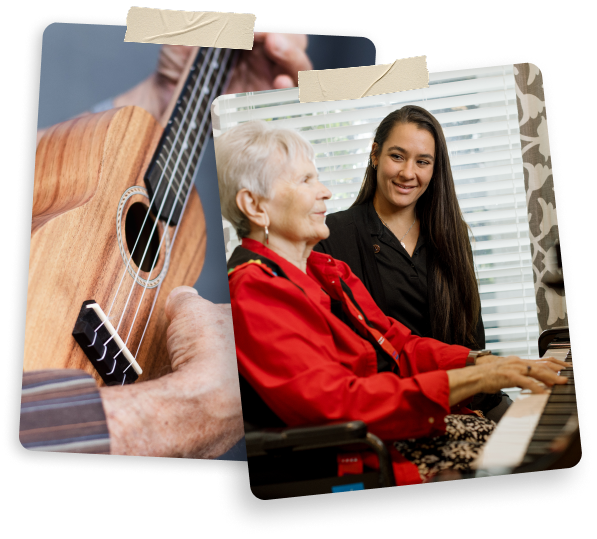
Music can connect and helps each of those with Alzheimer’s and other forms of dementia reconnect with their world. Calming chaotic brain activity, improving focus — the Music & Memory program is a productive part of our Memory Support plan, because it can make an elder’s day better in a hurry.
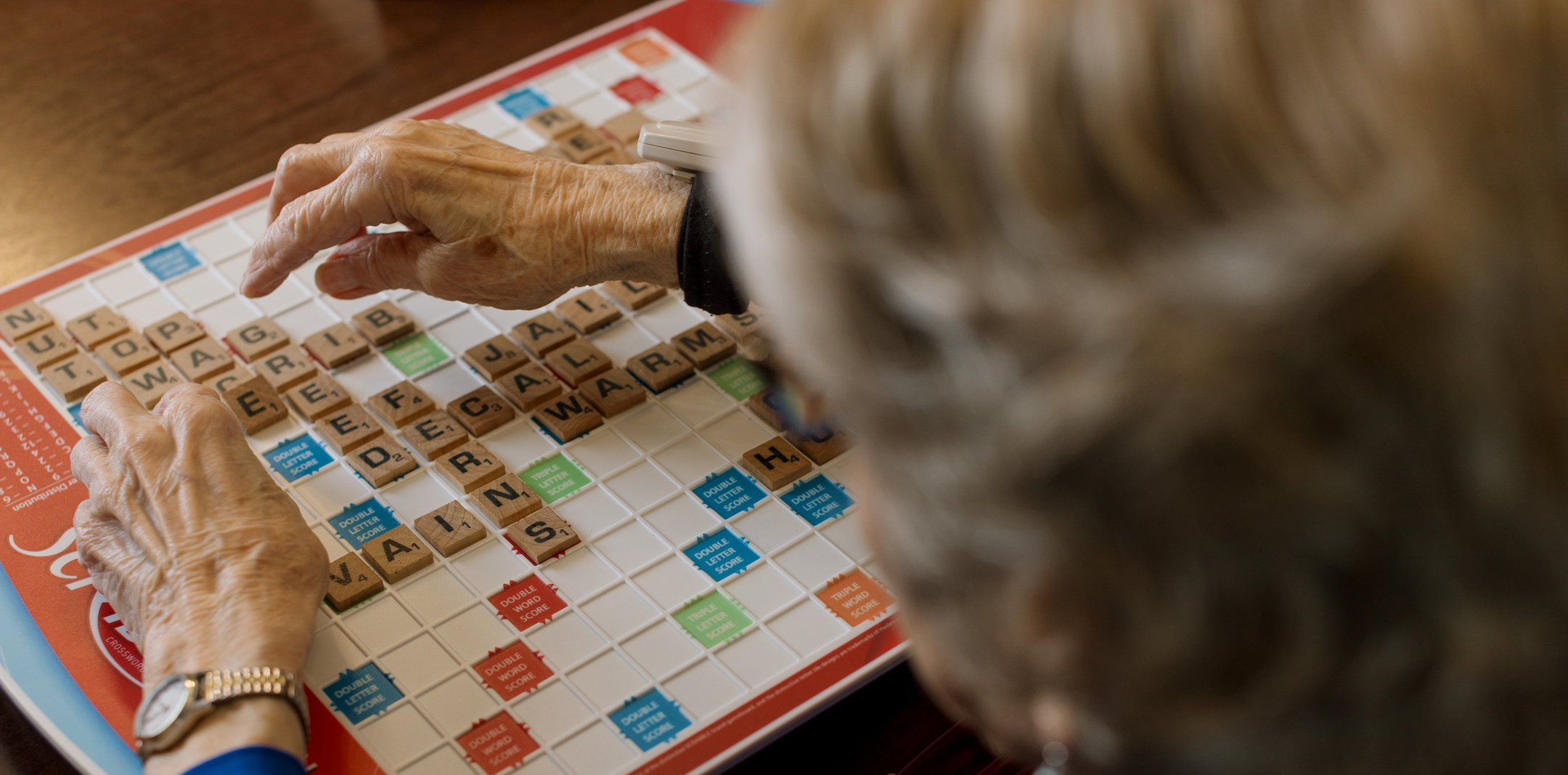
Staying active and involved is a path to fulfillment for everybody. We believe all people need love, understanding and respect, regardless of limitations. So we’ve made Hand-in-Hand training the heart of our Memory Support.
Designed to individualize assistance that maximizes independence, Hand-in-Hand training comes to life in programs and activities that make every day a good day.
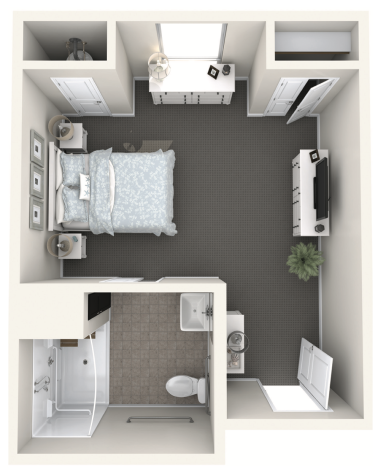
Memory loss, whether from Alzheimer’s or other forms of dementia, affects more than just one person. So care provided at The Crossings – from dining to staffing to activities – is designed around the needs of memory loss. Specially trained professionals work together with the elder and their family members to create structure, familiar schedules and surroundings, all in a secure and uniquely safe environment that promotes purpose and celebrates accomplishments.
Dementia refers to the loss of cognitive functions (thinking, reasoning, the ability to remember) that are severe enough to interfere with daily functioning. Dementia itself isn’t a disease, though it often accompanies diseases like Alzheimer’s. Dementia is irreversible when caused by disease or certain injuries. It may be partially or fully reversible when caused by drugs, alcohol, depression or imbalances in substances such as hormones or vitamins. In contrast, Alzheimer’s disease is responsible for 60%-80% of dementia, per WebMD and others. It’s a progressive, degenerative brain disease that affects parts of the brain that control thought, memory and language. 1 in 8 people over age 65 has Alzheimer’s, which affects women more than men.
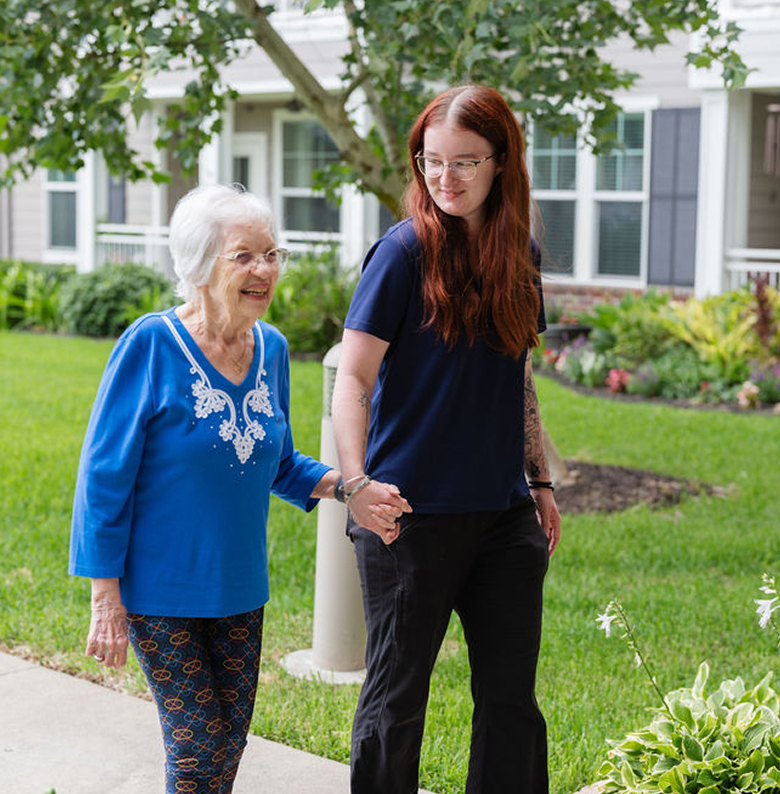
Yes, those who provide services in this specialized area are people with a knack for working with Memory Support elders. Carefully selected and trained Memory Support staff members are person-centered to a very high degree. These caregivers have a certain compassionate temperament, together with exceptional patience, gentleness, and a passion for consistently providing dignified and respectful care to our Memory Support elders and their families.